
Imagine harnessing the Earth’s natural heat to power your home or business. Sounds like something out of a sci-fi movie, right? Well, welcome to the world of geothermal technology, where the ground beneath our feet holds the key to sustainable energy. This innovative approach taps into the Earth’s core, providing a reliable and eco-friendly energy source that’s hotter than a summer day in the desert.
As the world grapples with climate change and dwindling fossil fuels, geothermal energy emerges as a superhero in the renewable energy arena. It’s not just a trend; it’s a game-changer. With its potential to reduce carbon footprints and lower energy bills, geothermal technology is here to save the day—and your wallet. Get ready to dive into the fascinating world of geothermal energy and discover why it’s time to dig deep for a greener future.
Overview of Geothermal Technology
Geothermal technology harnesses the Earth’s internal heat, presenting a reliable energy source. This technology extracts geothermal energy through various methods, including geothermal power plants and ground source heat pumps. Power plants convert steam or hot water from underground reservoirs into electricity, supplying homes and businesses.
Ground source heat pumps circulate fluid through underground pipes, capturing heat in winter and releasing it in summer. These systems can reduce energy bills significantly, offering a cost-efficient solution.
Global capacity for geothermal electricity generation reached 16.7 gigawatts (GW) in 2020, indicating growing investment and interest. Countries like the United States, Philippines, and Indonesia lead in geothermal energy production, demonstrating its viability as a primary energy source.
Environmentally, geothermal energy produces minimal greenhouse gas emissions compared to fossil fuels. One study showed that it reduces carbon dioxide emissions by up to 97% compared to coal-fired plants. This significant reduction plays a vital role in combating climate change and promoting sustainability.
Developing geothermal resources requires careful site selection and drilling technology. Hot spots, often located near tectonic plate boundaries, offer the best potential. Sustainable management practices ensure resource longevity, allowing for continuous energy supply without depleting the heat reservoir.
Research and innovation in geothermal technology continue to enhance efficiency and accessibility. Enhanced geothermal systems (EGS) represent a promising development, allowing extraction from areas without conventional resources. Such advancements pave the way for wider adoption and increased reliance on this renewable energy solution.
Types of Geothermal Systems
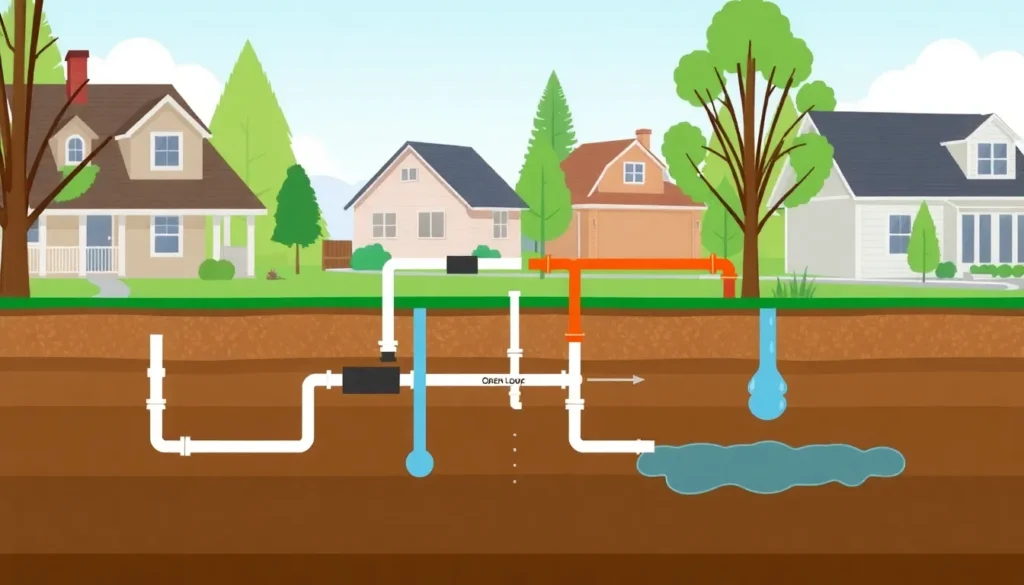
Geothermal systems primarily fall into two categories: open-loop systems and closed-loop systems.
Open-Loop Systems
Open-loop systems utilize groundwater directly from a well or a surface body of water. This system circulates the water through the heating or cooling system and then returns it back to the source. Efficiency depends on the local geology and the temperature of the water. It’s crucial to ensure that the water’s temperature is sufficient for effective heat exchange. Areas with abundant groundwater supply often benefit from this setup. Open-loop systems have gained popularity due to their relatively low installation costs and simplicity in design.
Closed-Loop Systems
Closed-loop systems operate differently by circulating a heat transfer fluid through a series of pipes buried in the ground. They can be installed horizontally or vertically, adapting to different land sizes and configurations. The fluid absorbs heat from the ground in winter and releases heat back in summer. Efficiency remains high as these systems are not dependent on external water sources, allowing for consistent performance year-round. Many homeowners benefit from the long lifespan and lower maintenance requirements associated with closed-loop systems, reinforcing their choice as a reliable geothermal solution.
Benefits of Geothermal Technology
Geothermal technology offers distinct advantages, making it an attractive energy solution. Two primary benefits include environmental impact and cost efficiency.
Environmental Impact
Geothermal energy generates minimal greenhouse gas emissions. Studies show a reduction of carbon dioxide emissions by up to 97% compared to coal-fired plants. Utilizing Earth’s natural heat significantly lowers carbon footprints, contributing to a cleaner environment. The sustainable nature of geothermal resources further promotes environmental health. Careful site selection ensures minimal disruption to ecosystems, supporting biodiversity. Developers prioritize these practices to enhance sustainability in geothermal projects.
Cost Efficiency
Geothermal systems provide substantial savings on energy bills. Homeowners often see significant reductions in monthly energy costs. Initial installation may seem high, but long-term savings outweigh upfront expenses. Federal and state incentives further ease financial burdens associated with installation. Maintenance costs for geothermal systems are typically lower than those for traditional heating and cooling methods. Consistent performance provided by closed-loop systems ensures efficiency year-round, promoting added savings.
Challenges and Limitations
Geothermal technology faces several challenges that can limit its widespread adoption. Understanding these challenges is essential for assessing its long-term viability.
Geographical Restrictions
Geographical limitations often affect the feasibility of geothermal energy projects. Not every location possesses sufficient geothermal resources, as suitable sites typically align with tectonic plate boundaries. Regions near the Pacific Ring of Fire demonstrate the highest potential, while inland areas may lack necessary geothermal heat. Resource availability often dictates whether a geothermal project can thrive. Access to hot water or steam deposits sets specific regions apart, impacting site selection and investment decisions. Exploration and development can become costly and challenging in areas where geothermal resources are scarce.
Initial Investment
High initial investment serves as a significant barrier for many geothermal projects. Costs associated with drilling, site preparation, and technology installation can be substantial. Early-stage investment often deters potential stakeholders. Investors may hesitate due to uncertainties in resource viability and potential returns. Long-term operational savings from geothermal systems typically offset these upfront costs. However, financial incentives from federal and state programs can alleviate some financial burdens. Proper financing strategies often contribute to successful geothermal development, providing pathways to effectively integrate this technology into energy portfolios.
Future Trends in Geothermal Technology
Emerging trends in geothermal technology highlight its vast potential for sustainable energy solutions. Enhanced geothermal systems (EGS) represent a significant advancement, enabling energy extraction from deeper rock formations. This innovation increases access to geothermal resources, even in regions previously deemed unsuitable due to geography.
Integration of geothermal technology with other renewable energy sources is gaining traction. By combining geothermal with solar or wind, energy systems can become more resilient, ensuring stable power supply even during fluctuations in availability. The trend toward hybrid systems supports energy diversification and enhances grid reliability.
Battery storage technology also complements geothermal systems. As energy storage becomes more efficient and affordable, it mitigates the intermittency issues that other renewables face. Storing excess geothermal power allows for continuous supply, maximizing utility during peak demand periods.
Investment in research and development is essential to drive these future trends. Organizations and governments are allocating funds to investigate innovative drilling techniques that reduce costs and improve efficiency. Collaborations among private companies and academic institutions often lead to breakthroughs that accelerate geothermal adoption.
Data analytics plays a crucial role in optimizing geothermal operations. Through advanced modeling and real-time monitoring, operators can enhance system performance and reduce downtime. Predictive maintenance ensures optimal functionality, ultimately leading to cost savings for consumers.
Public awareness and acceptance are increasing, reflecting a growing interest in clean energy solutions. Educational initiatives and community engagement foster understanding of geothermal benefits, encouraging wider implementation. As geothermal technology continues to evolve, it stands poised to become a more integral part of the global energy landscape.
Geothermal technology stands out as a key player in the transition to sustainable energy. Its ability to harness the Earth’s heat offers a reliable and eco-friendly alternative to fossil fuels. With advancements in systems like enhanced geothermal systems and the integration of geothermal with other renewable sources, the future looks promising.
The ongoing research and innovations in this field are crucial for overcoming existing challenges. As more individuals and businesses recognize the benefits of geothermal energy, including reduced carbon emissions and lower energy costs, the path toward widespread adoption becomes clearer. Embracing geothermal technology not only supports environmental goals but also contributes to energy independence and resilience in an evolving energy landscape.